Supporting Students with Learning Difficulties or Disabilities
Supporting students with learning difficulties or disabilities requires a thoughtful and inclusive approach. The following strategies can facilitate their academic and social success in the classroom:
1. Individualised Education Plan (IEP): Collaboration among the student, parents or guardians, and relevant specialists is essential to develop an IEP. This plan specifies individualised goals, accommodations, and modifications tailored to the student's unique needs.
2. Differentiated Instruction: Instructional strategies, teaching resources, and assessments should be adapted to address diverse learning needs. Alternative methods for accessing and demonstrating knowledge, including visual aids, hands-on activities, or assistive technology, should be provided.
3. Sensory Support: Establish a sensory-friendly environment by reducing distractions, offering noise-cancelling headphones, and incorporating scheduled sensory breaks.
4. Classroom Collaboration: Promote a collaborative classroom environment in which students support and learn from each other. Peer tutoring, cooperative learning activities, and inclusive group projects should be encouraged to foster understanding, empathy, and teamwork.

Educators should account for students' sensory sensitivities and implement appropriate adaptations to optimize the learning experience.
5. Support Services: Educators should utilize available support services, including exceptional education professionals, speech therapists, and occupational therapists. Collaboration with these specialists facilitates the implementation of targeted strategies and interventions to address specific learning challenges.
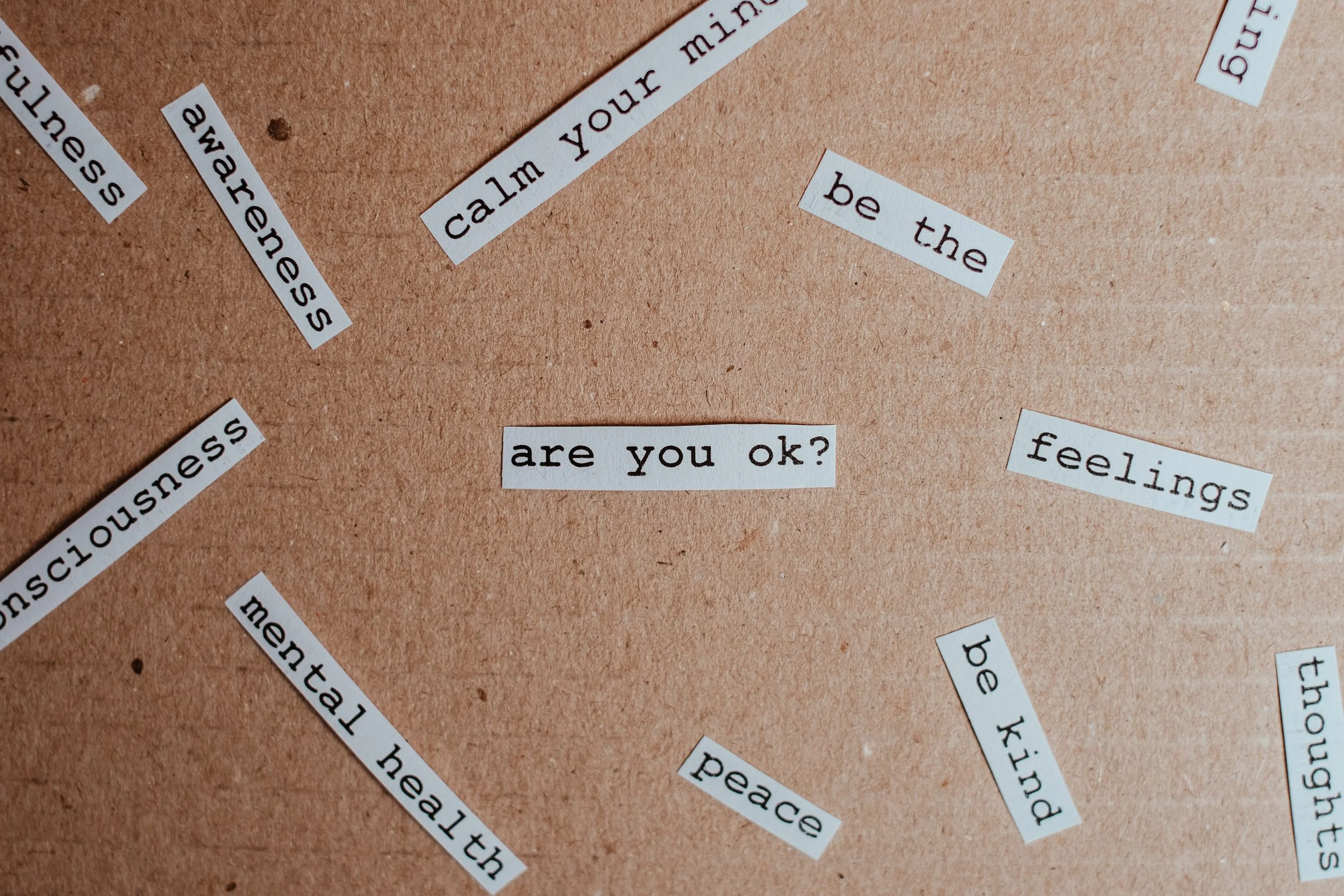
6. Emotional Support: Educators should provide emotional support and establish a safe environment for students to express their feelings and concerns. Open communication, positive reinforcement, and a culture of acceptance and empathy should be encouraged.
The implementation of these strategies enables educators to foster an inclusive and positive learning environment, empowering students with learning difficulties or disabilities to achieve their full potential.