
Essential Self-Care For Busy Teachers
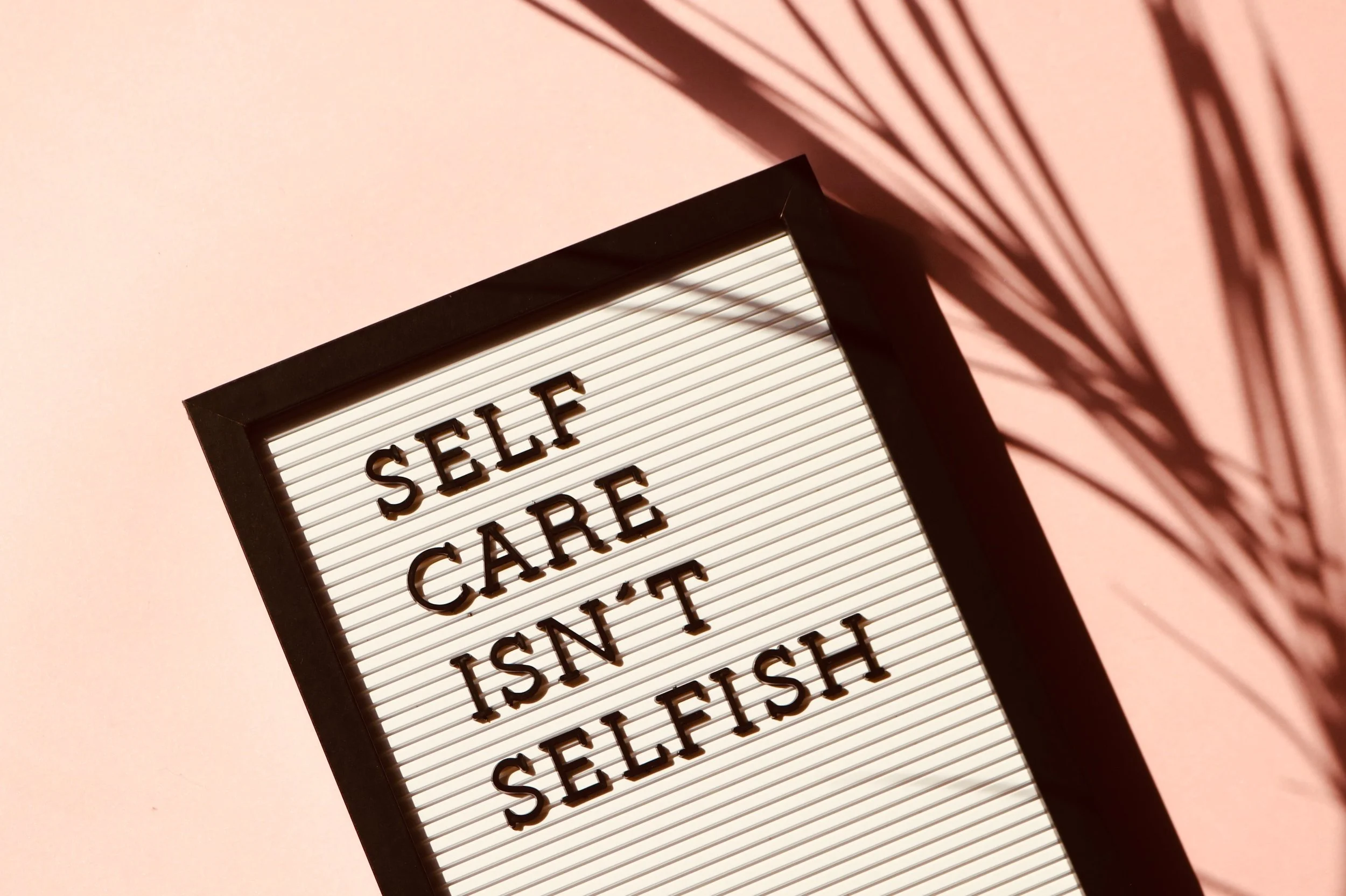
Self-care is vital for teachers who dedicate significant time and energy to nurturing students. The following self-care practices can help educators maintain well-being despite demanding schedules.
Allocating time for relaxation is essential. Activities such as reading, walking, or practicing mindfulness can help teachers unwind and restore energy.
Physical self-care is equally important. Regular physical activity, a balanced diet, and sufficient sleep contribute to overall health and sustained energy. Teachers are encouraged to integrate these habits into their daily routines.

Teachers' well-being matters. Nurturing minds requires nurturing their own mental health.
Establishing boundaries between work and personal life is essential. Setting realistic expectations and declining additional responsibilities when necessary can prevent burnout and allow teachers to allocate time for personal needs.
Additionally, seeking support from colleagues, friends, or mentors can reduce stress and foster a sense of community. Sharing experiences and obtaining advice can promote both personal and professional growth.
Engaging in hobbies and interests outside of teaching is crucial. Pursuing creative outlets or activities that provide personal fulfillment can help teachers maintain a healthy work-life balance.
Prioritizing self-care enables teachers to enhance their well-being, reduce stress, and continue to positively influence their students’ lives.